
Last Updated: October 23, 2026
Quick Summary
Flat roof repair involves identifying leaks through water stains and inspecting seams, penetrations, and drainage areas, then applying material-specific fixes like EPDM patches, heat-welded TPO or PVC repairs, or bituminous patches depending on your roof type. Repairs typically cost less than replacement but may not be economical if damage exceeds 30% of roof area or the roof is over 20 years old.
- Water stains on ceilings and walls are the clearest indicator of flat roof leaks, often spreading internally before visible from ground level.
- Most flat roofs last 15-25 years; repair makes sense for roofs under 10 years old with damage affecting less than 20% of the area.
- Flat roof replacement costs range from $3,331 to $11,558 according to 2026 data, while repairs typically cost significantly less.
- Verify contractor licensing, insurance, and manufacturer certifications before hiring; get detailed written estimates and references from recent projects.
- Schedule annual roof inspections and maintain gutters and drainage to prevent recurring leaks and extend roof service life.
Table of Contents
- How to Diagnose a Flat Roof Leak
- Step-by-Step Flat Roof Repair by Material Type
- Getting a Flat Roof Repair Estimate
- Flat Roof Repair Cost and Cost Drivers
- Flat Roof Repair vs. Replacement: Making the Right Choice
- Understanding Flat Roof Repair Warranty and Protection
- Finding and Evaluating Local Roofing Contractors
- Frequently Asked Questions
How to Diagnose a Flat Roof Leak
Identifying a flat roof leak starts with knowing where water enters. Damage often spreads internally before you notice it from ground level.
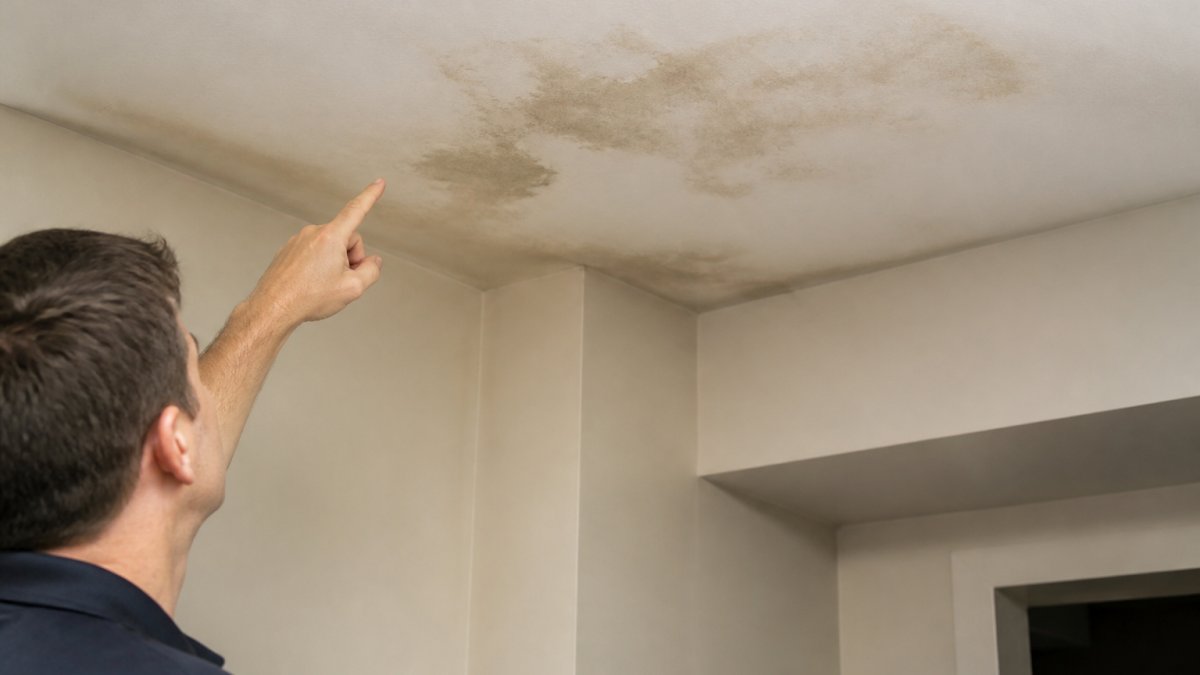
Signs of a leaking flat roof
Water stains on ceilings or walls are the clearest indicator, but earlier signs include peeling paint, bubbling drywall, soft spots in the membrane, and visible cracks or splits in the roofing material.
Pooling water is another critical sign: poor drainage or settling creates low spots where standing water accelerates membrane deterioration. Mold or mildew growth indicates moisture intrusion, and musty odors often precede visible mold by weeks.
Where leaks typically occur
Flat roof leaks cluster in predictable locations. The most common entry points are seams where membrane sheets join; UV exposure, temperature cycling, and building movement compromise the seal over time.
Penetrations for pipes, vents, skylights, or electrical conduits are frequent leak sources, since flashing around them often separates or deteriorates.
Drainage systems also fail: clogged or damaged gutters, downspouts, and interior drains force water to back up and pool.
Step-by-Step Flat Roof Repair by Material Type
Flat roof repair methods vary by roofing system, so identify your roof’s material first. Different membranes require different techniques, sealants, and safety precautions, and mismatched materials can fail prematurely or void warranties.
EPDM rubber membrane repairs
EPDM (ethylene propylene diene monomer) is a flexible, durable synthetic rubber membrane that’s relatively forgiving for repairs. Small punctures, tears, or seam failures can often be fixed without replacing the entire membrane.
For holes under 2 inches, clean and dry the area, sand it lightly, apply EPDM primer to the roof and patch, then press a rubber patch firmly over the hole. For seam failures, work EPDM seam sealant into the joint. Larger tears or multiple damage points warrant professional repair.
TPO and PVC membrane repairs
TPO (thermoplastic olefin) and PVC membranes are more rigid than EPDM and respond best to heat-welded patches, which are stronger than adhesive-only methods.
For small punctures, clean and dry the area, then apply a heat-welded patch that fuses to the membrane for a waterproof seal. Seam issues also require heat-welding. Without proper training, bonding may fail early, so for any tear larger than 1 inch or multiple damage points, hire a professional.
Modified bitumen and built-up roof repairs
Modified bitumen and built-up roofs (BUR) are older asphalt-based systems still found on many buildings. Small cracks or blisters can be repaired without full replacement.
For blisters, cut the blister open from the center outward, remove moisture and debris, apply roofing cement into the cavity, press the flap down, and seal the cut with cement and a patch. For cracks, clean out loose material, apply roof cement, and cover with a bituminous patch.
Getting a Flat Roof Repair Estimate
A comprehensive estimate protects you from surprises and lets you compare contractors fairly; vague quotes lead to scope creep and unexpected costs.
What a comprehensive estimate should include
A quality estimate specifies the repair scope: damaged area size, roofing material type, proposed repair method, labor hours, materials, a clear total price, and a timeline.
Warranty terms must appear in writing: what’s guaranteed, for how long, and whether it covers materials, labor, or both.
Payment terms matter: deposit amount and when the balance is due. Payment terms vary.
Red flags in contractor estimates
Vague language is a warning sign. Phrases like “roof repair as needed” or “materials and labor” without specifics suggest the damage wasn’t thoroughly assessed.
Refusal to provide a written estimate is a major red flag. Verbal quotes leave no accountability if costs escalate or work quality suffers.
Pressure to decide immediately or pay cash-only should concern you. Legitimate contractors allow time for consideration and accept standard payment methods.
Flat Roof Repair Cost and Cost Drivers
Understanding what drives repair pricing helps you budget accurately and recognize fair quotes.
According to Angi’s 2026 roofing cost data, flat roof replacement costs range from $3,331 to $11,558, depending on roof size, material, and repair complexity. Repairs typically cost less than replacement, but multiple damage points or underlying structural issues can approach replacement pricing.
Factors that affect repair pricing
Roof size is the primary cost driver: a 500-square-foot repair costs far less than a 2,000-square-foot job.
Material type affects pricing: EPDM repairs are often cheaper than TPO or PVC heat-welded repairs, which require specialized equipment and training, and built-up roof repairs are labor-intensive.
Underlying issues add cost: structural damage, insulation replacement, interior repairs, or drainage work all increase scope. Emergency or weekend/holiday work typically costs more than scheduled maintenance.
When temporary containment is needed
If a leak is active and repair must be delayed, temporary containment prevents further interior damage. Tarping is the most common approach: contractors stretch heavy waterproof tarps over the damaged area and secure them with battens or weights.
Temporary sealants or patches can also buy time, reducing water intrusion until permanent repairs are scheduled. Never leave them in place for extended periods, since UV exposure and weather degradation reduce their effectiveness within weeks.
Flat Roof Repair vs. Replacement: Making the Right Choice
Deciding whether to repair or replace your flat roof requires balancing short-term costs against long-term durability, based on the roof’s age, condition, and your budget.
When repair is the right option
Repairs make sense when the roof is relatively young and damage is localized.
Consider repair if your roof has been well-maintained and has many years of service life remaining. A roof that’s 5-8 years old with isolated damage will likely perform well after repair.
However, evaluate the repair history. If the same roof has required multiple repairs over the past 2-3 years, replacement may be more economical long-term.
When replacement makes financial sense
Replacement becomes the better choice when the roof is nearing the end of its service life or damage is extensive. Most flat roofs last 15-25 years depending on material and maintenance.
If damage affects more than 30% of the roof area, replacement often costs only slightly more than repairing all the damage.
Structural issues, sagging, settlement, or deterioration of underlying materials, typically require replacement, not repair. These problems won’t be resolved by patching the membrane.
Understanding Flat Roof Repair Warranty and Protection
Warranty coverage varies significantly between contractors and repair types. Understanding what’s covered protects you from unexpected costs if problems arise after repair.
What warranty coverage includes
Most contractors warranty repairs for one year against leaks caused by defective workmanship or materials.
Material warranties are separate from labor warranties. The roofing material itself may carry a manufacturer’s warranty covering defects in the product. Your contractor’s warranty covers the installation quality.
Some contractors offer extended warranties, two to five years, for an additional fee. Extended coverage provides greater peace of mind, especially for commercial properties where roof failure disrupts operations.
How to prevent recurring leaks
Maintenance is essential to prevent recurring leaks. Schedule annual roof inspections to catch problems early. Clean gutters and downspouts regularly to ensure proper drainage.
Avoid foot traffic on the roof unless necessary. Walking on membranes causes unnecessary wear. If work must be done on the roof, use protective walkways.
Address drainage issues immediately. Ponding water accelerates deterioration and increases leak risk. If your roof naturally collects water in low spots, discuss drainage improvements with your contractor.
Finding and Evaluating Local Roofing Contractors
Selecting the right contractor determines repair quality and long-term satisfaction. The right partner delivers quality work and stands behind it; the wrong one creates headaches and expense.
Credentials and certifications to verify
Licensing is non-negotiable. Verify that your contractor holds a current roofing license in your state.
Insurance is equally critical. Ask for proof of liability insurance and workers’ compensation coverage. Liability insurance protects you if the contractor damages your property.
Certifications from roofing material manufacturers are valuable. Contractors certified to install specific systems, like Duro-Last, which United Roofing of Colorado specializes in, demonstrate training and commitment to quality.
Years of experience matter, but verify the claim. Ask specifically about flat roof experience, not just general roofing.
Questions to ask before hiring
Inquire about timeline and disruption. How long will the repair take?
Ask about warranty terms in detail. What’s covered? For how long? What’s the process if a problem arises after repair?
Request a detailed, itemized estimate. Ask them to break down labor, materials, and any additional costs separately.
Finally, ask for references, at least three from recent projects. Contact those references and ask about quality, timeliness, communication, and whether they’d hire the contractor again. References are the most honest assessment you’ll get.
Finding a qualified contractor for flat roof repair doesn’t have to be complicated.
| Repair Factor | Impact on Cost | Typical Range |
|---|---|---|
| Roof size (per 100 sq. ft.) | Primary driver | $200-$600 |
| Material type | Affects method | EPDM lower, PVC/TPO higher |
| Damage extent | Scope multiplier | Small patch vs. extensive |
| Accessibility | Labor time | Ground-level vs. difficult access |
| Underlying damage | Hidden costs | Structural, insulation, interior |
| Temporary containment | Interim protection | $300-$800 for tarping |
Keep detailed photos and records of roof damage and repairs. This documentation supports insurance claims and helps contractors assess recurring issues accurately.
Never delay roof leak repairs. Water intrusion spreads quickly through insulation and structural materials, turning a $500 repair into a $5,000 problem within months.
An estimated 5 million roofs are installed each year in the United States, and the country has approximately 134,365 roofers serving residential and commercial properties. According to RubyHome’s 2026 roofing statistics, this workforce handles everything from routine maintenance to emergency repairs. When you need flat roof repair near me, understanding the process, costs, and contractor selection criteria puts you in control.
The best time to address a flat roof leak is immediately.
Frequently Asked Questions
How much does flat roof repair typically cost?
Flat roof repair costs vary based on the damage extent, roof size, material type, and location. A professional inspection and estimate will clarify pricing for your specific situation. Request quotes from multiple local contractors to compare, reputable firms provide free estimates without obligation.
Can you patch a flat roof, or does it need full replacement?
Many flat roof leaks can be patched if the damage is localized and the roof is in otherwise good condition. Patches work well for small tears, punctures, and seam failures. However, if the roof is aging, has multiple leak points, or shows widespread deterioration, replacement is often more cost-effective long-term. A certified roofer can assess whether repair or replacement makes sense for your roof.
What should a flat roof repair estimate include?
A thorough estimate should list the repair scope, materials needed, labor costs, timeline, warranty terms, and any permits required. It should specify the roofing system type (EPDM, TPO, PVC, modified bitumen) and explain why certain repairs are recommended. Avoid estimates that lack detail or don’t address the root cause of the leak. Ask for everything in writing before work begins.
How long does a flat roof repair typically take?
Simple repairs may take one day, while larger projects can take several days depending on weather, roof size, and damage severity. Professional contractors plan work around your schedule and communicate timelines upfront. Emergency repairs for active leaks may be completed faster. Always confirm the expected timeline and what happens if weather delays the project.
